A Glimpse into the Enduring Legacy of the SS Explorer
Leith, Edinburgh.
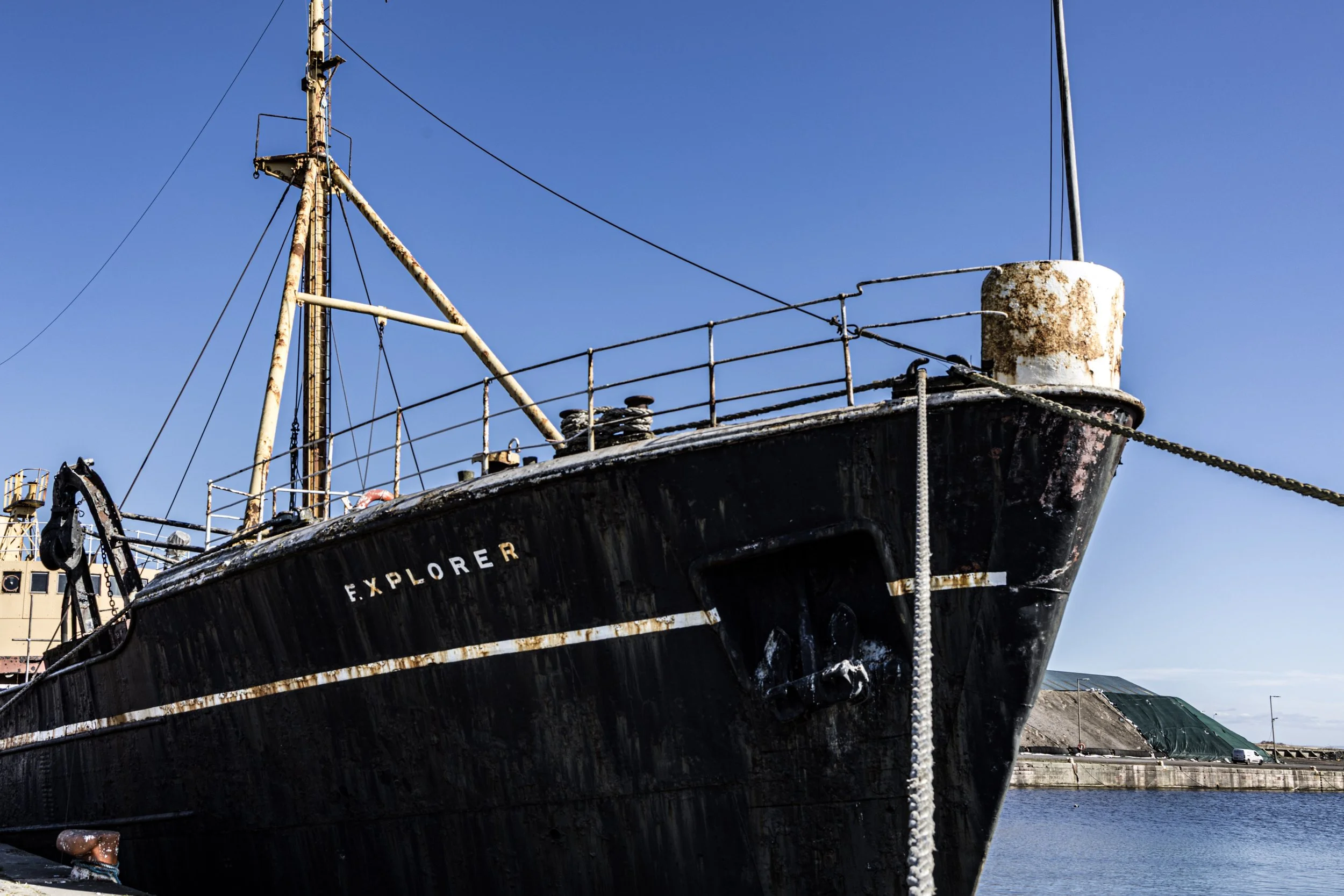
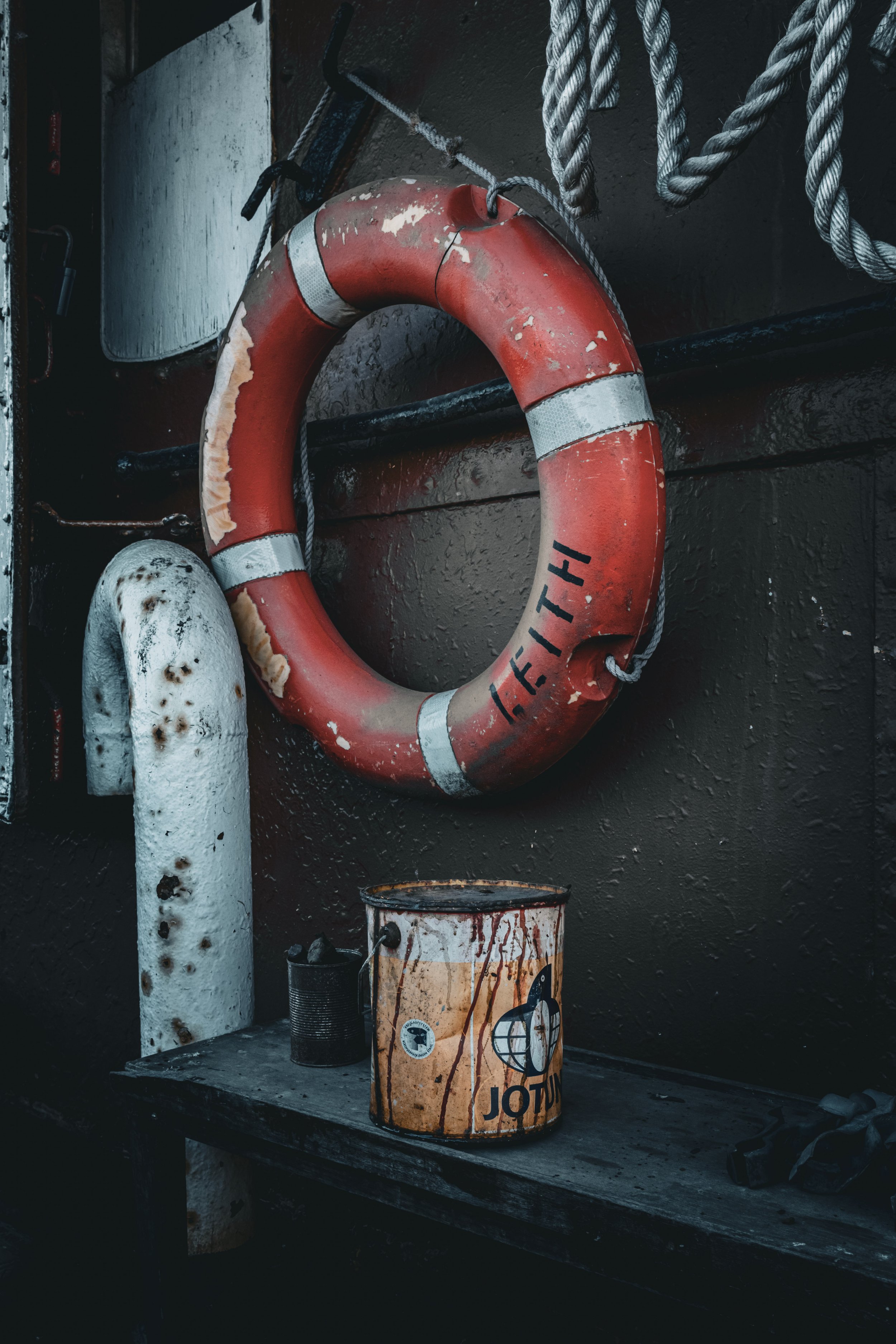
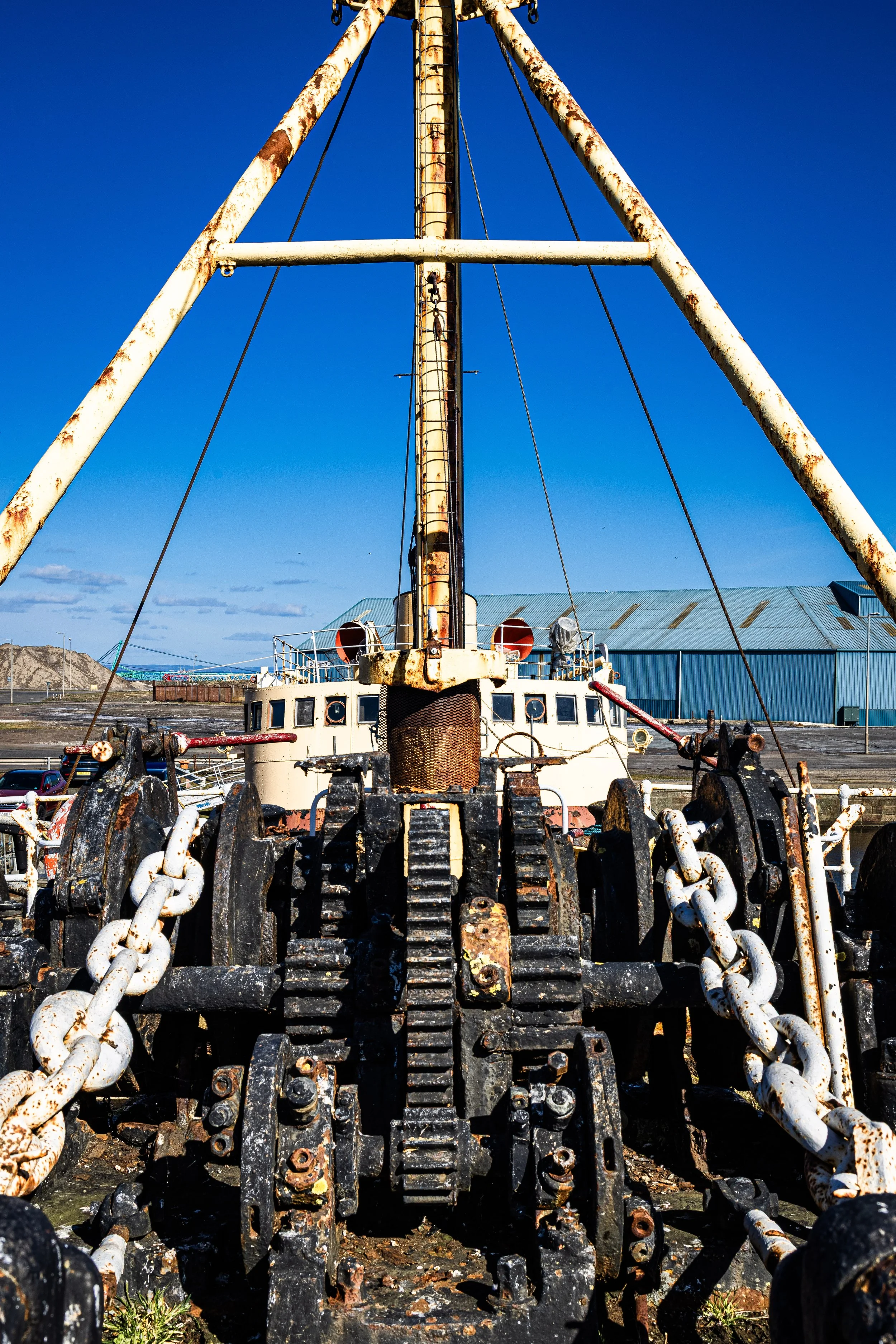
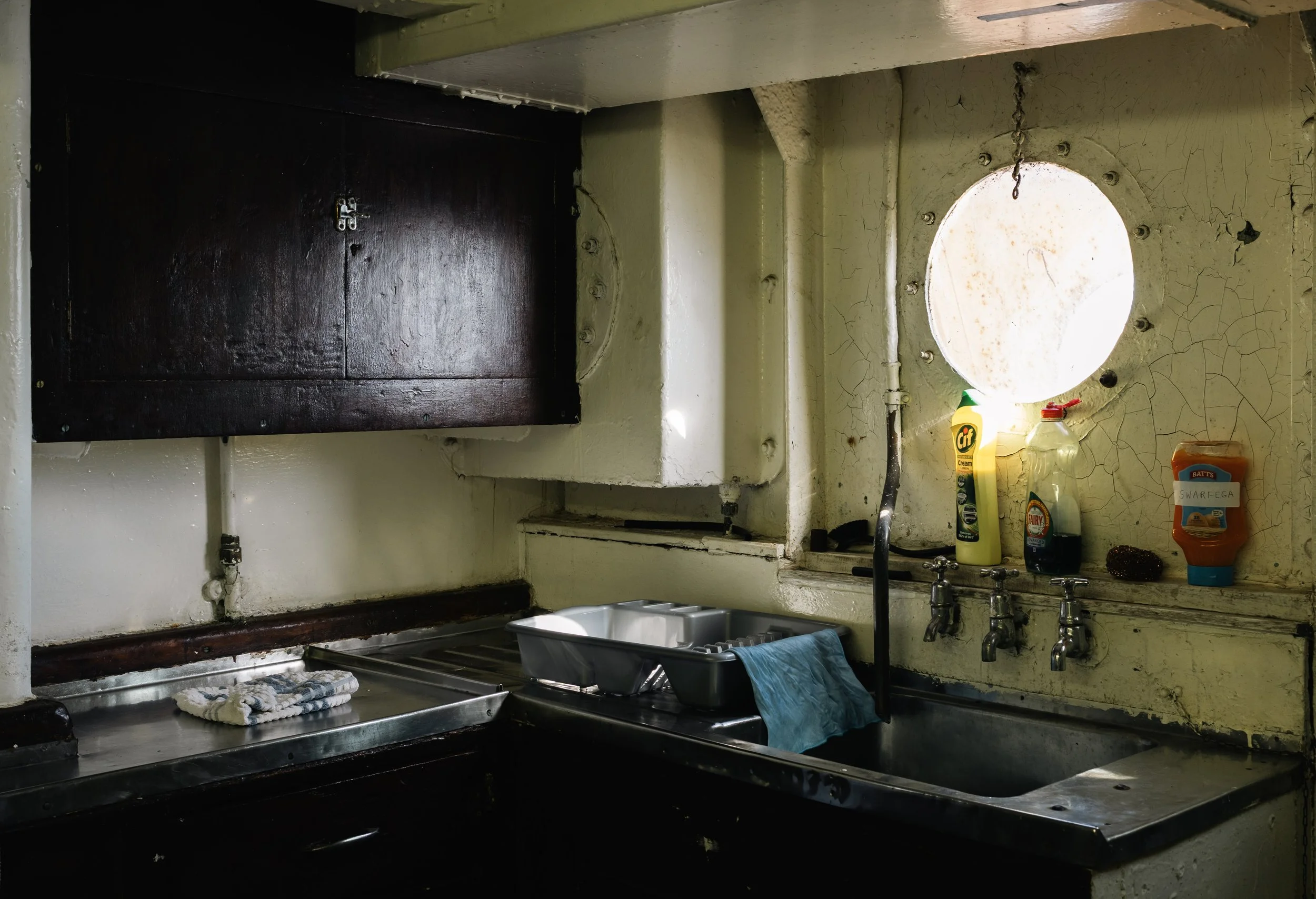
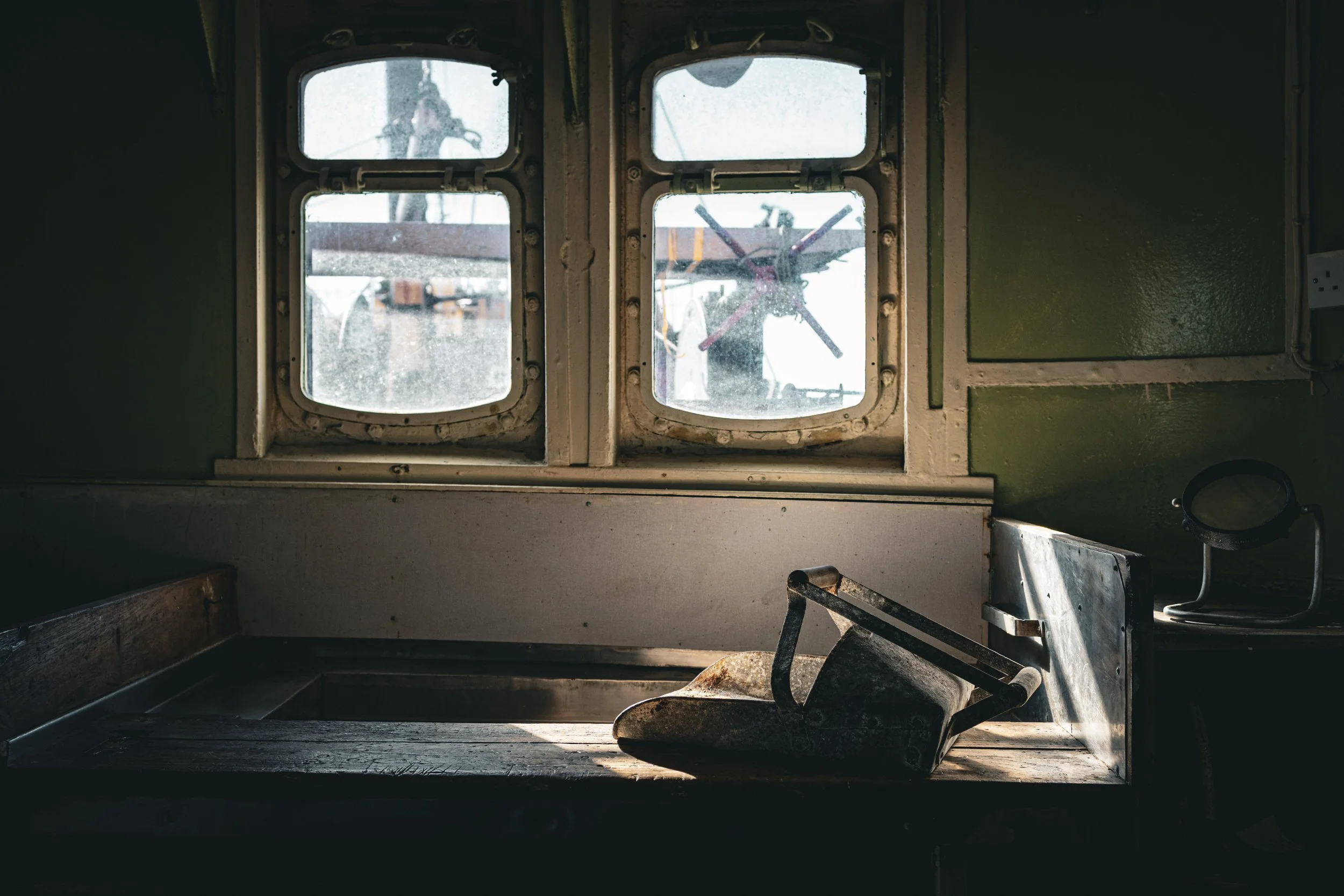
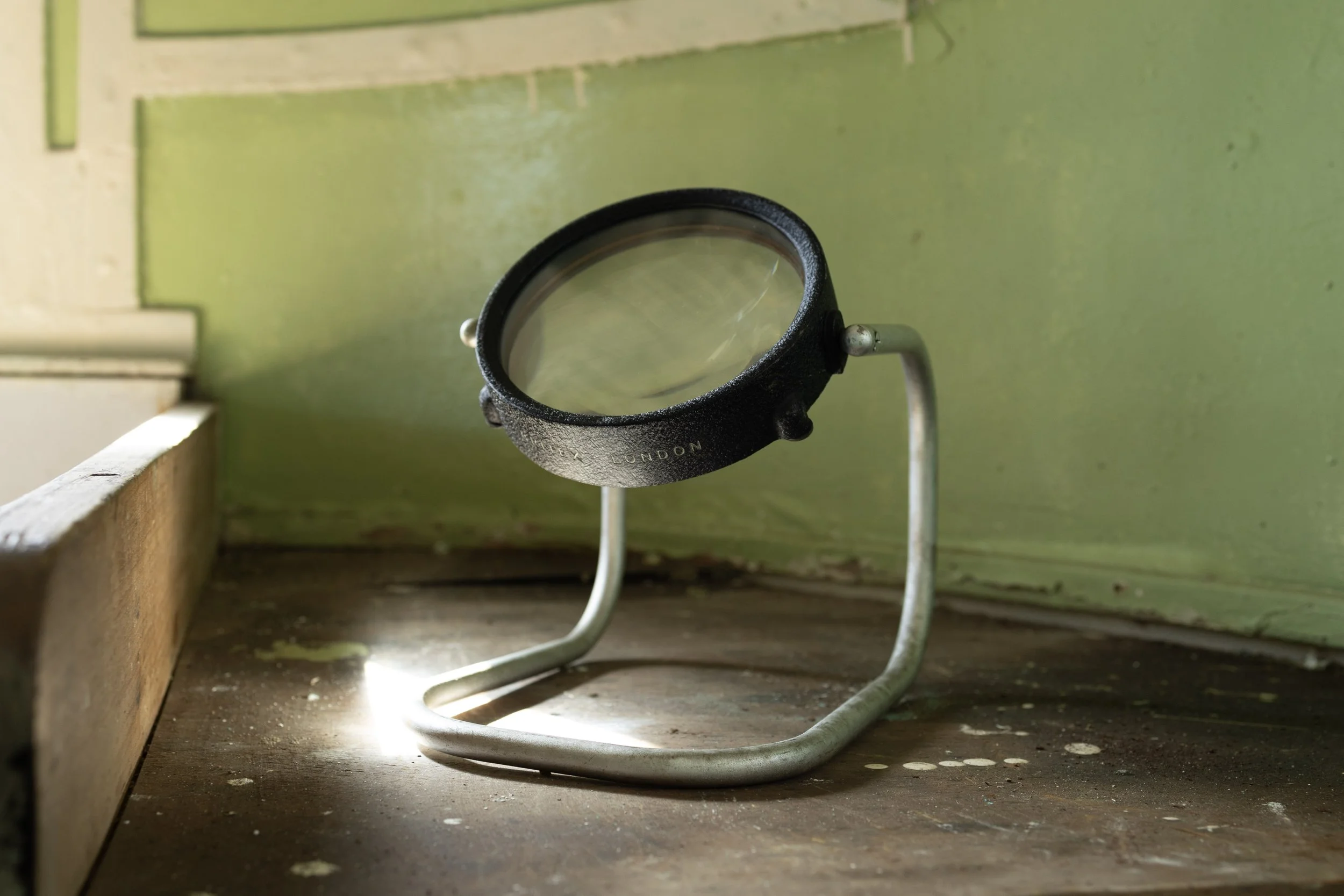
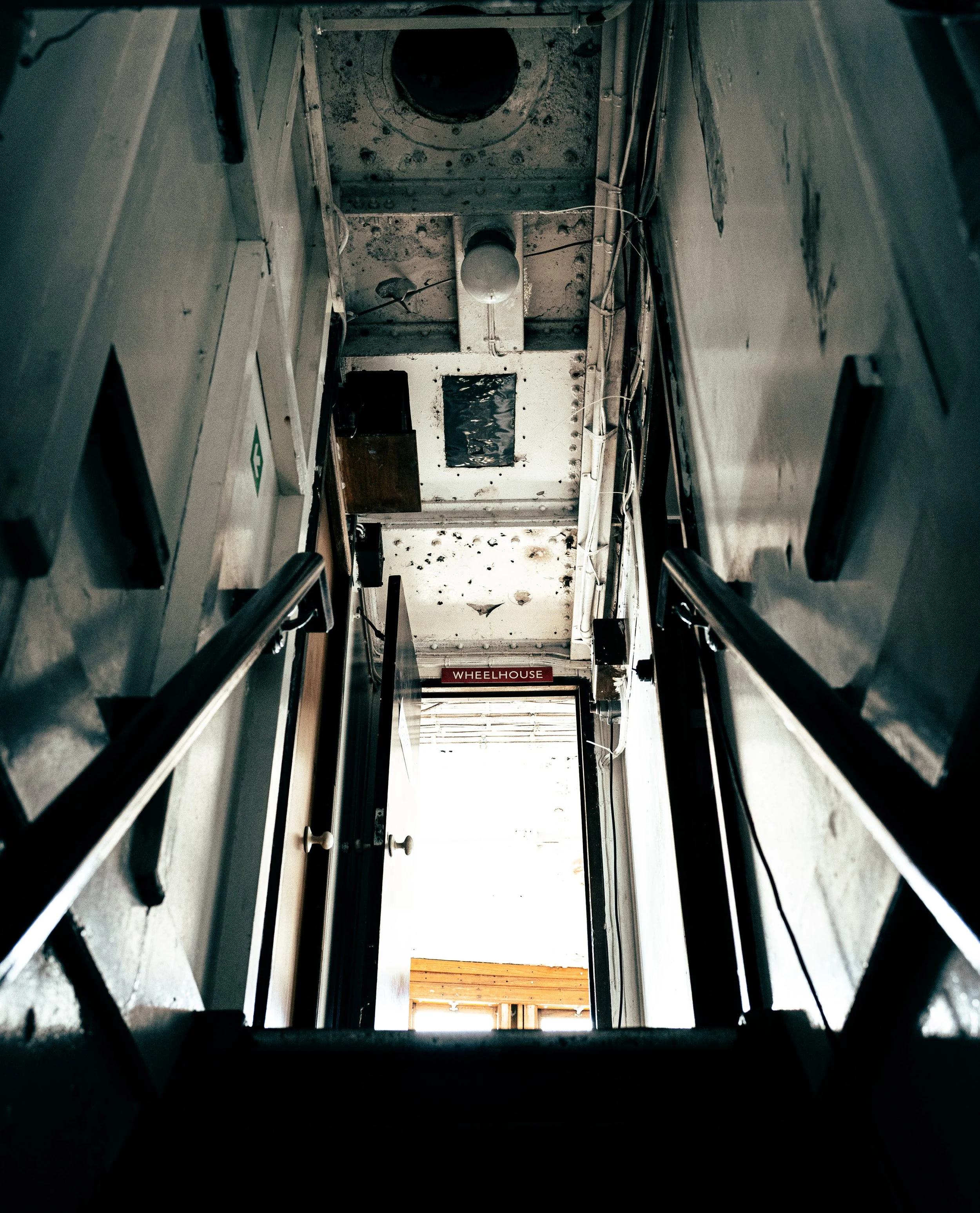
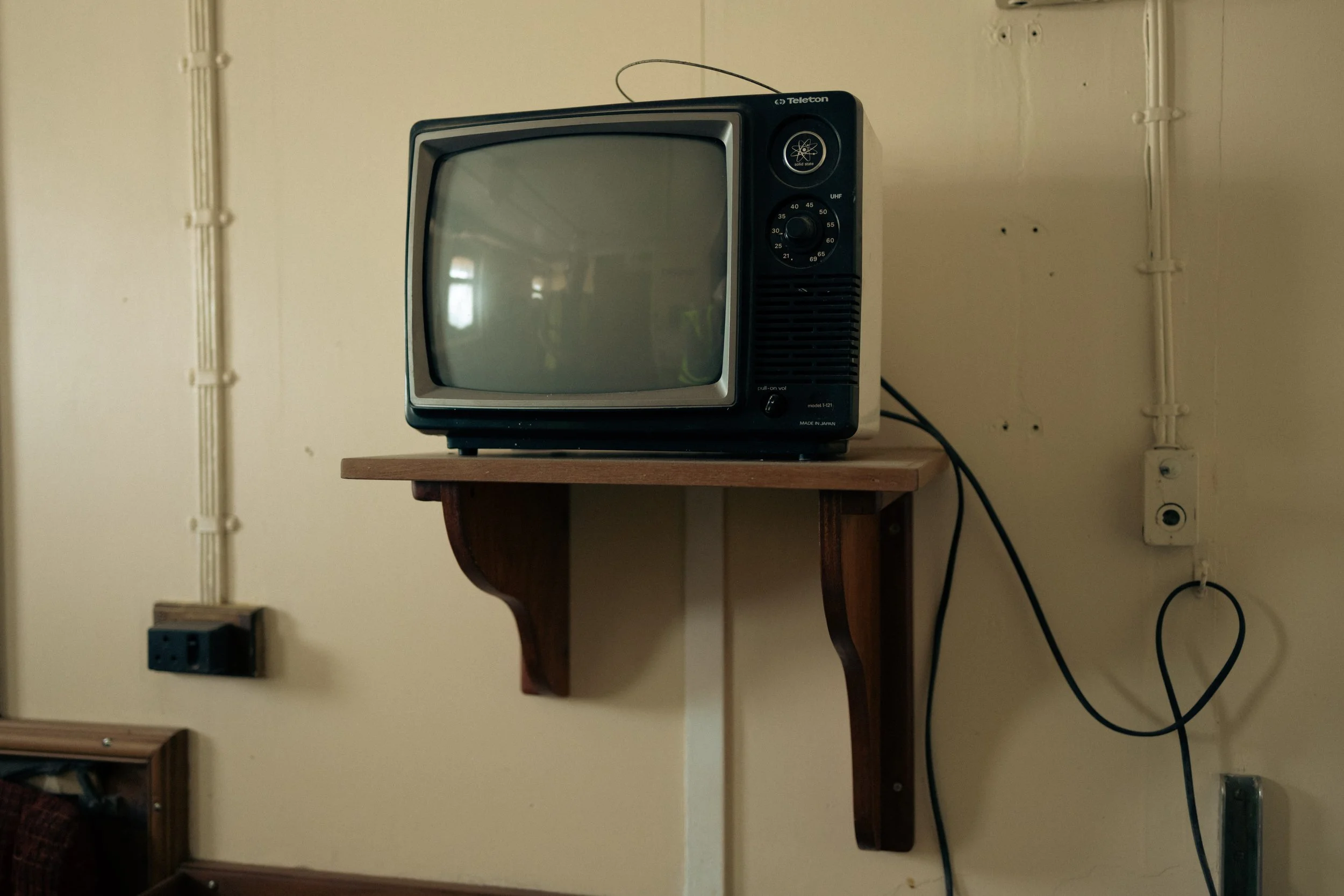
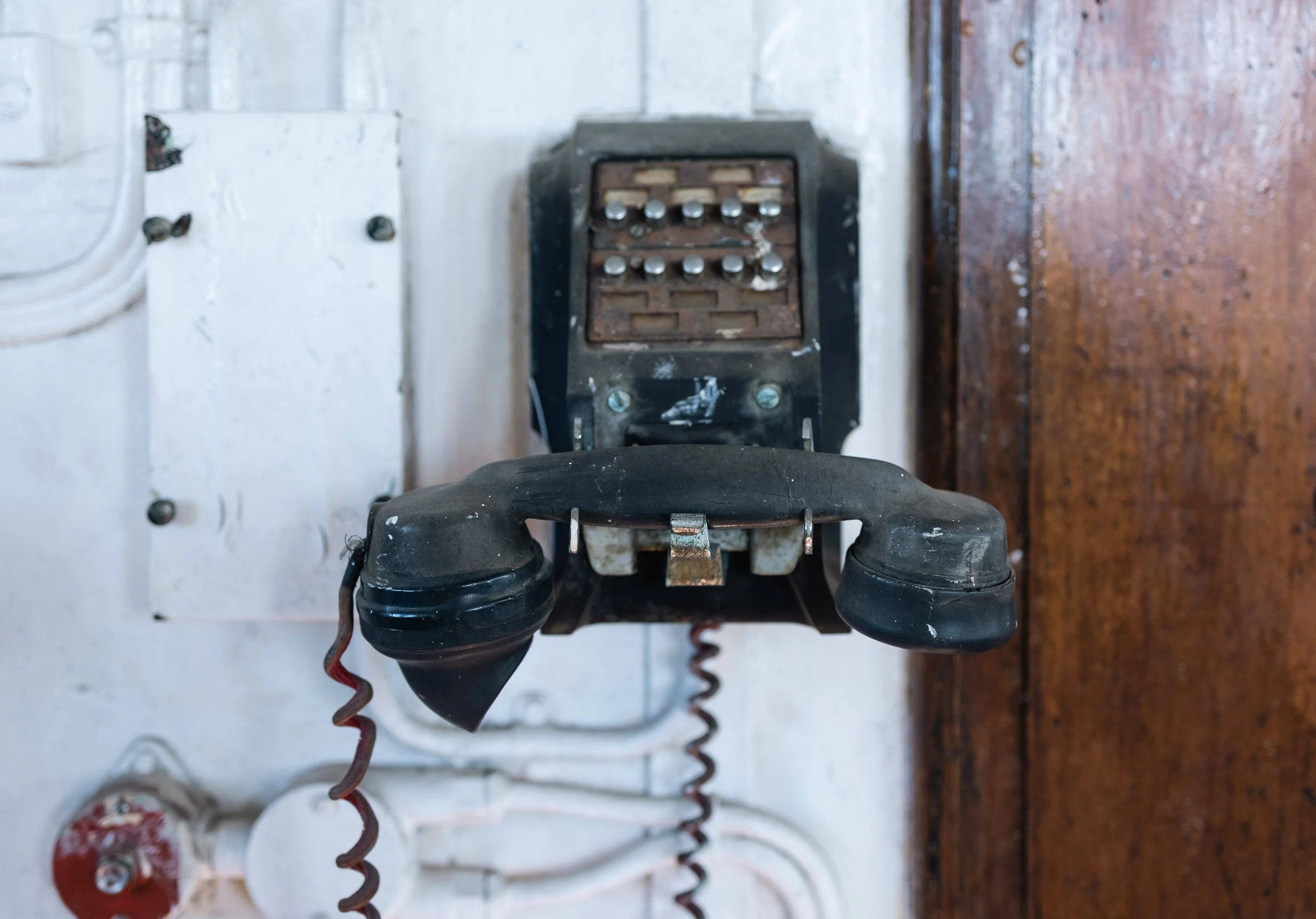
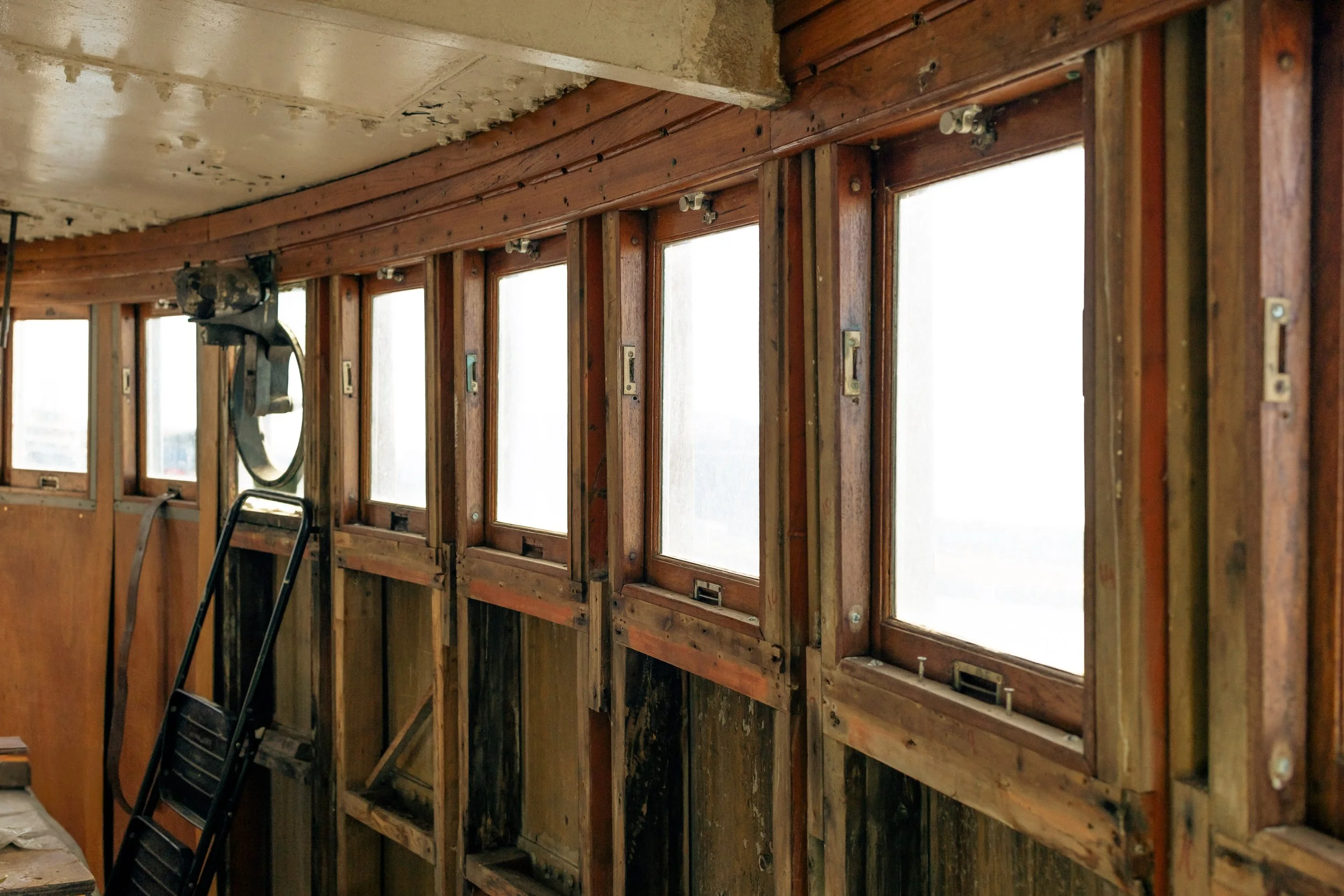
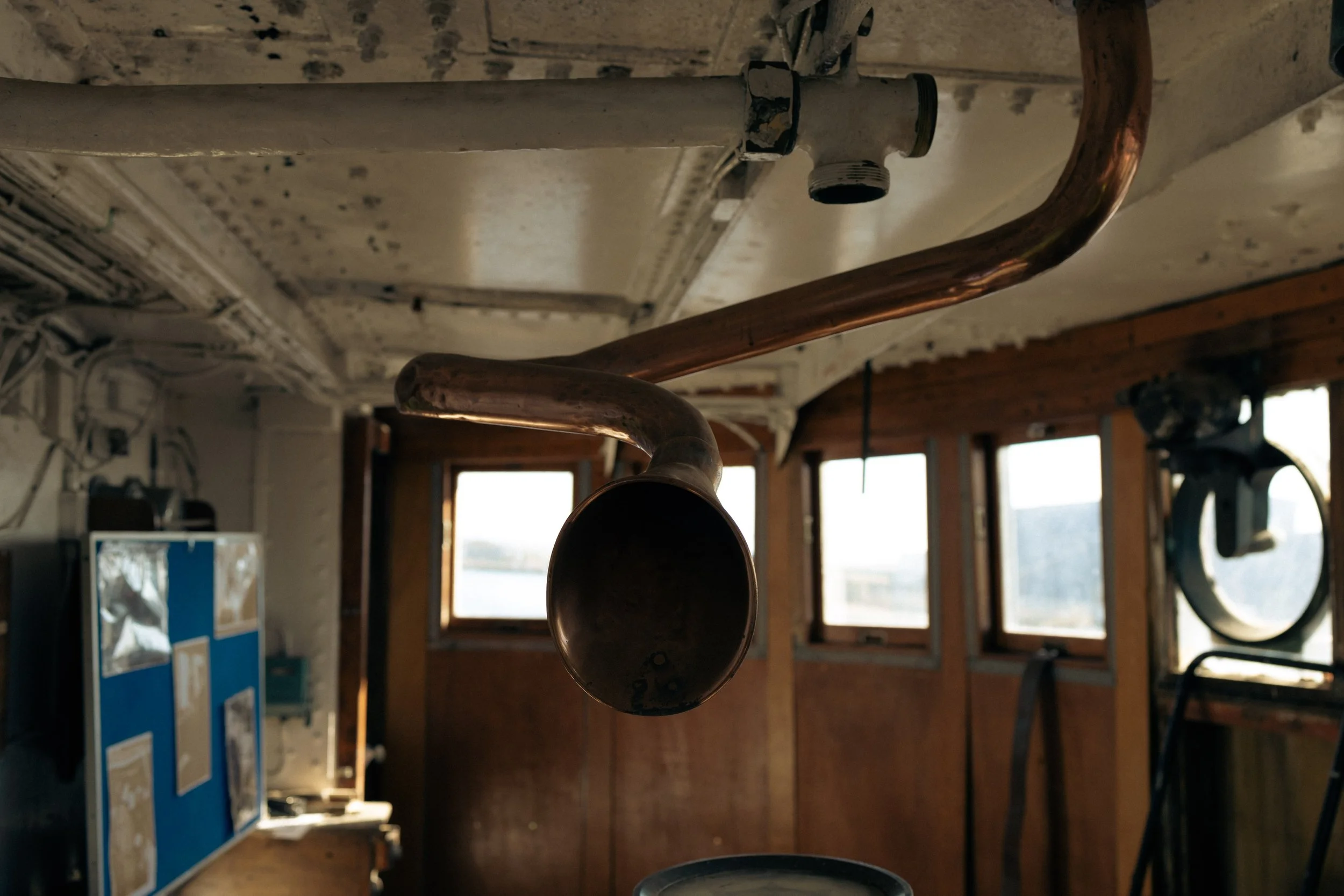
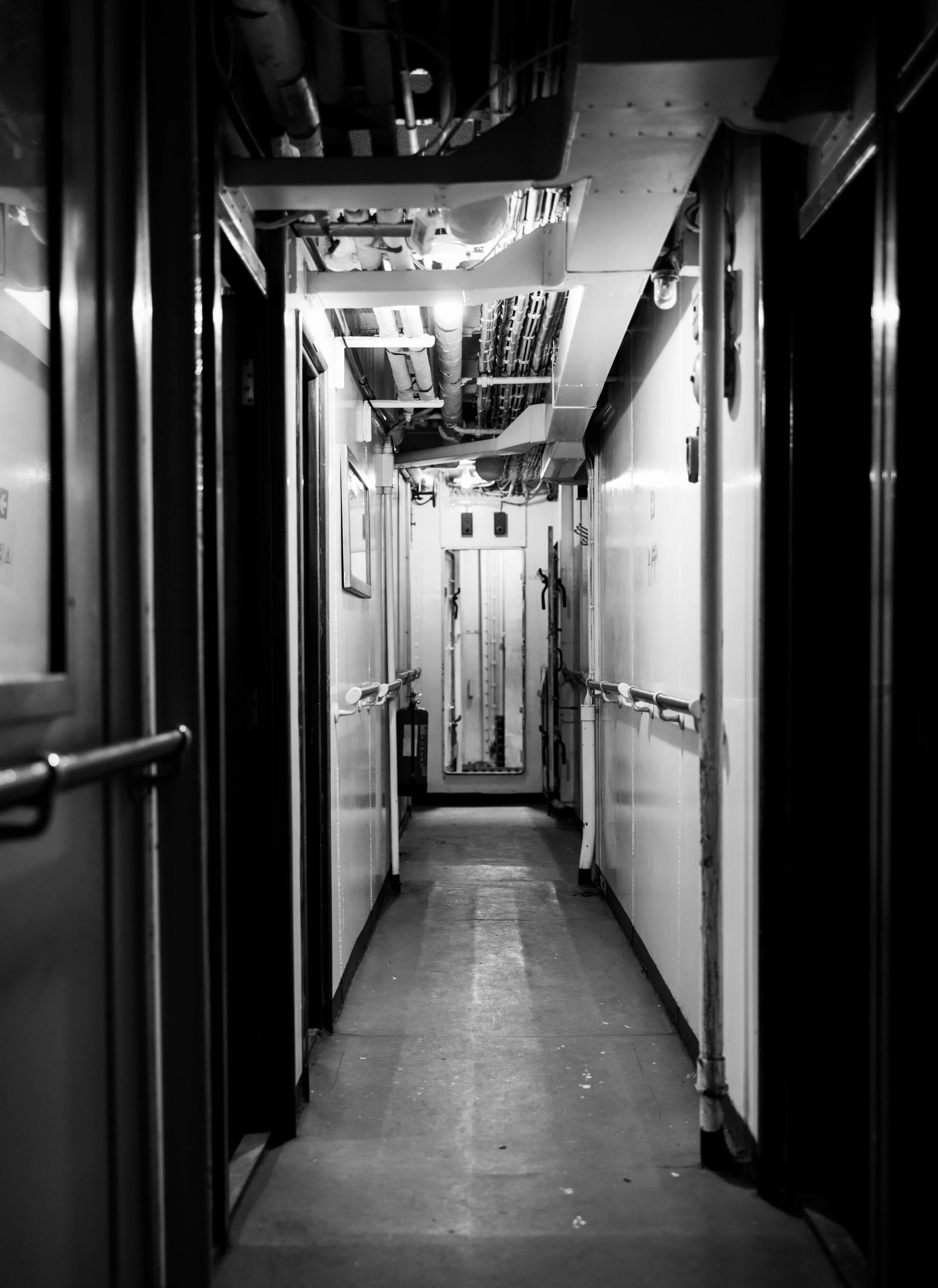
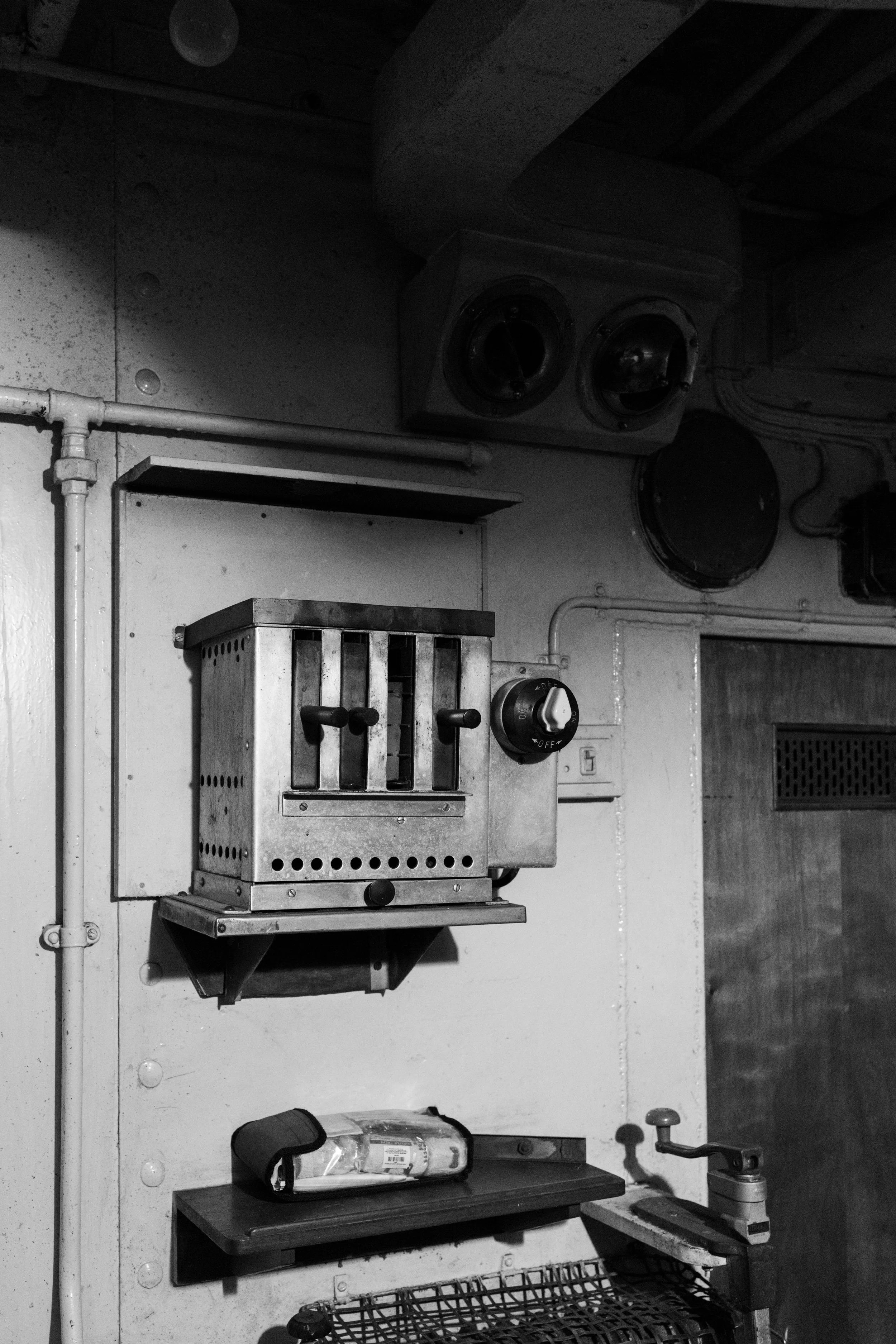
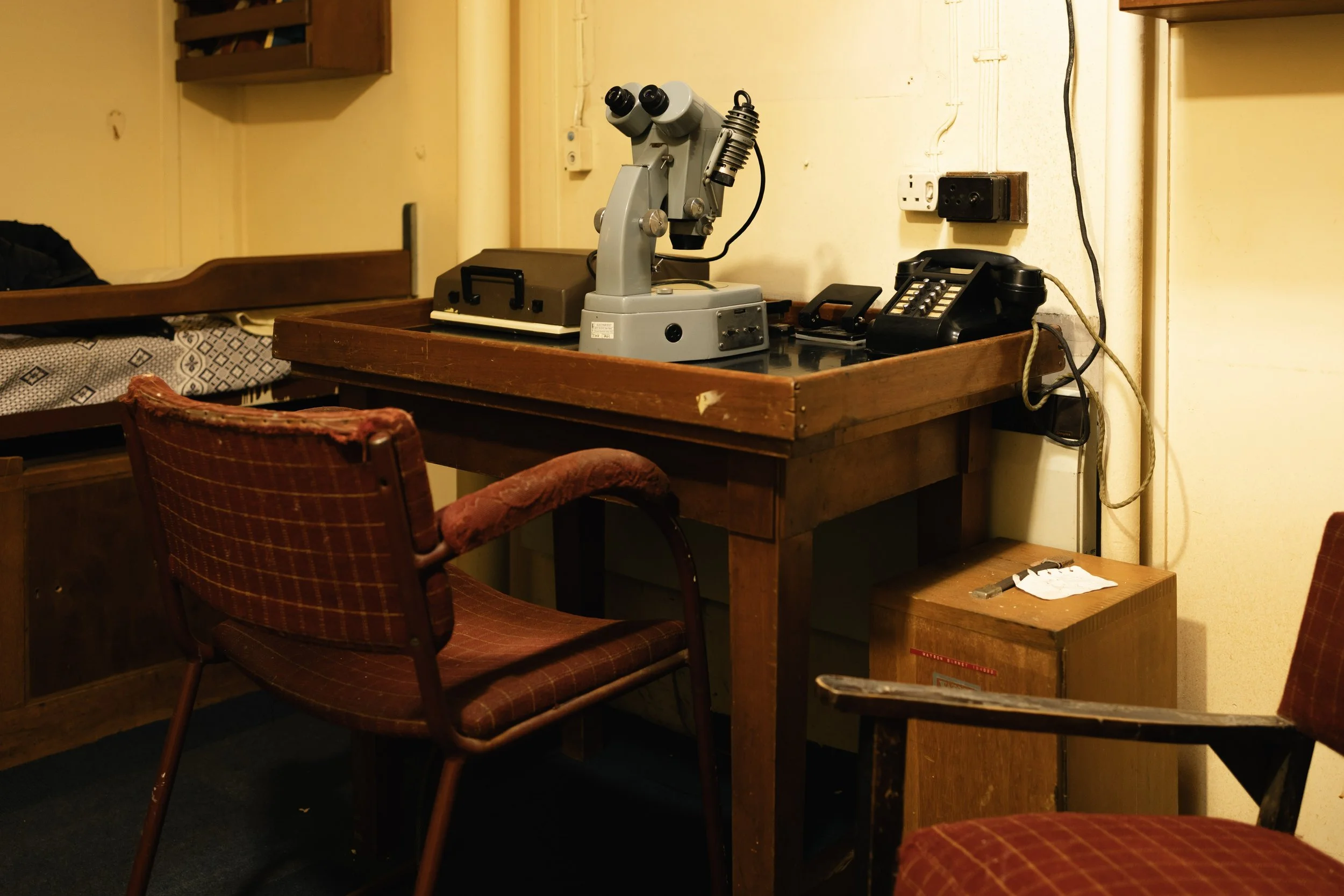
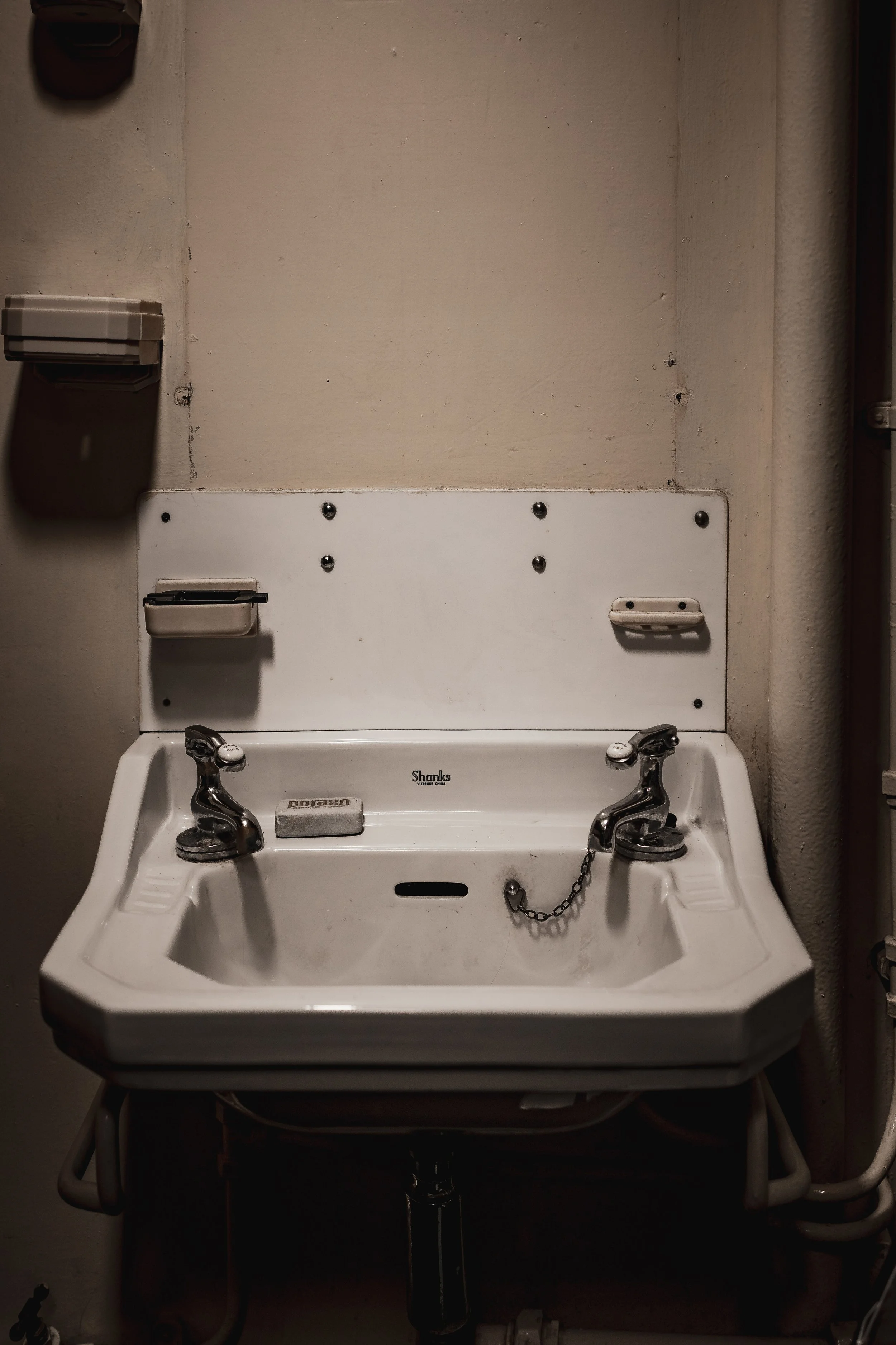
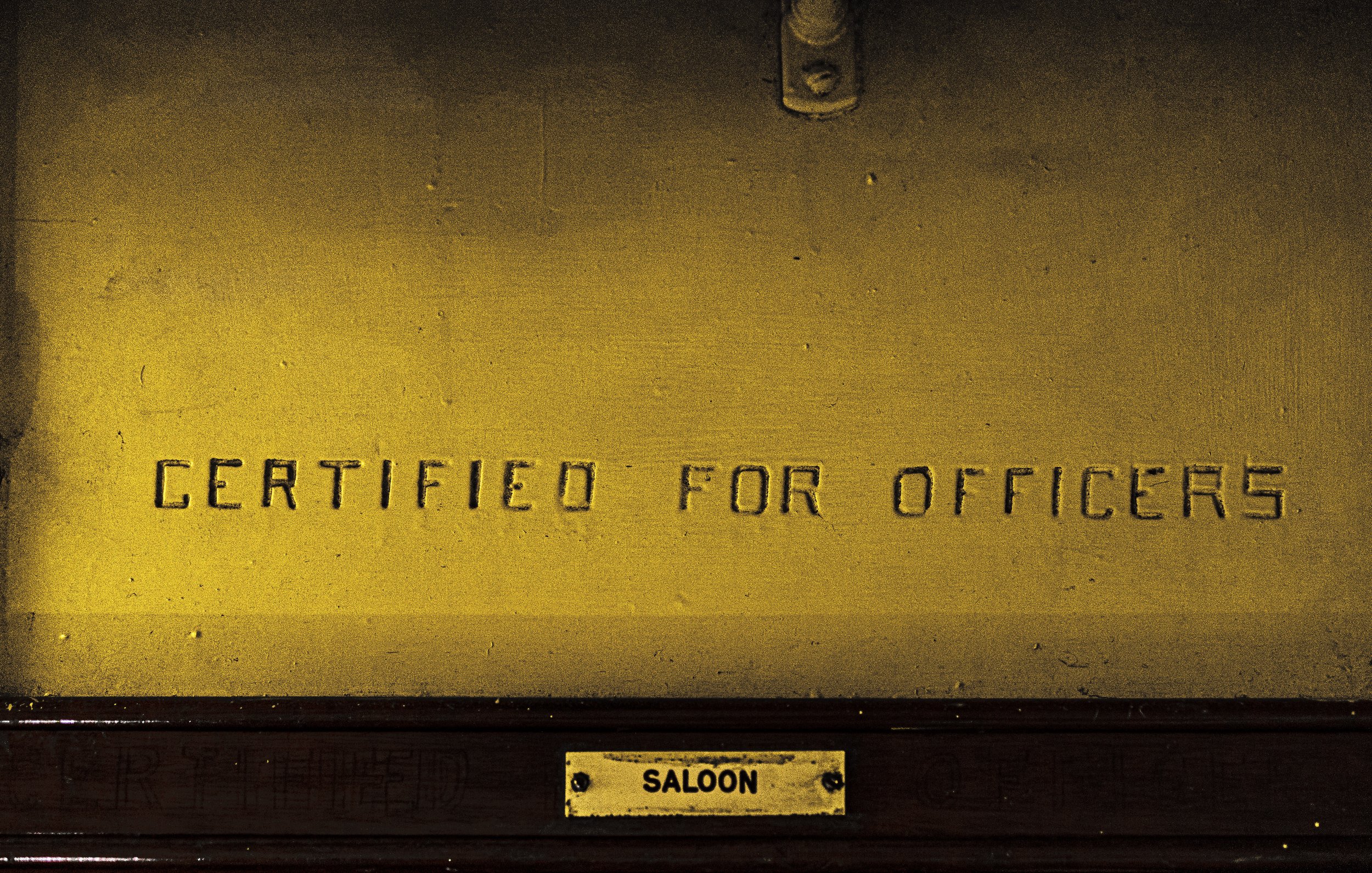
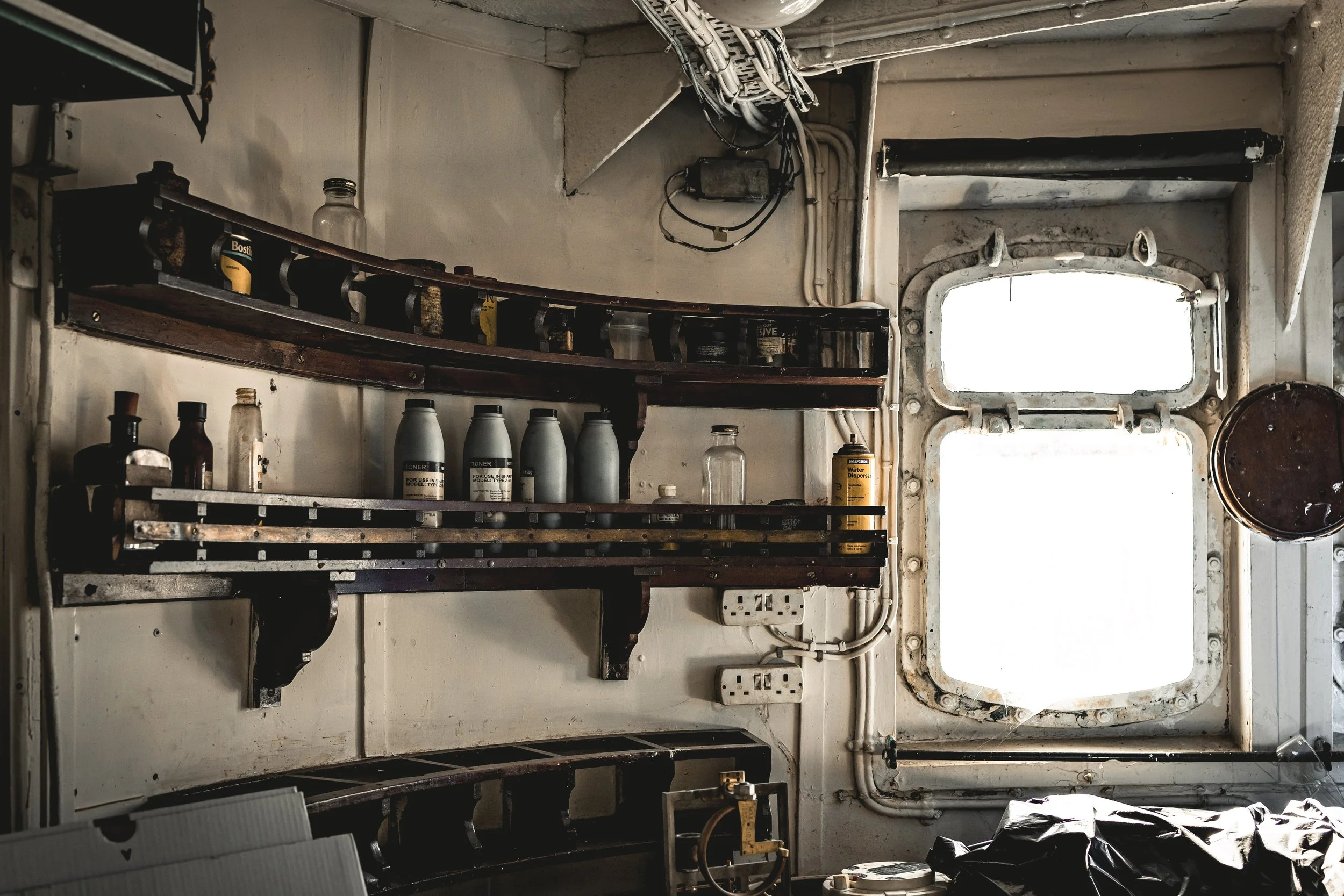
Tucked away in the historic port of Leith, a true maritime veteran quietly awaits its next chapter. The SS Explorer, a former marine research vessel with a remarkable history, is a testament to Scottish shipbuilding and scientific endeavour. I recently had the distinct pleasure of a private tour, an opportunity to photograph her intricate details and reflect on her incredible journey.
A Legacy Born of the Sea
The SS Explorer's story began in 1955 when she was launched for the Scottish Office's Marine Laboratory in Aberdeen. Built by the renowned Alexander Hall & Co., she was a vessel designed for the unforgiving northern waters. Her robust hull, inspired by Arctic side-trawlers, housed a fascinating blend of traditional and cutting-edge technology for her time. While her main propulsion came from a triple-expansion steam engine – the very last of its kind built in Aberdeen – her auxiliary systems were a modern marvel, powered entirely by diesel generators.
A Pioneer of Marine Science
For 28 years, the FRV Explorer served with distinction, greatly advancing fishing technology and conducting crucial hydrographic and hydrobiological surveys. Imagine the dedicated scientists and seamen who called her home, working tirelessly to unravel the mysteries of the marine environment. In 1968, she even boasted one of the first onboard analogue computers, a testament to her role as a cutting-edge research platform.
From Decommission to Preservation
In 1984, due to mounting costs and an aging design, the FRV Explorer was decommissioned and slated for demolition. However, destiny had other plans. The Aberdeen Maritime Museum, initially interested in her unique steam engine, was so captivated by the entire vessel that they acquired her. Renamed the SS Explorer, she was drydocked in 1989 for essential maintenance, her hull openings sealed and anodes fitted to combat corrosion.
What followed was a decade of uncertainty, with the Explorer laid up in the Cromarty Firth, abandoned and vulnerable to vandalism and the elements. It was a sad chapter for such a magnificent vessel. In 1994, the Aberdeen Maritime Museum reluctantly sold her for scrap.
The Fight for Survival
But the story doesn't end there. The SS Explorer Preservation Society (SSEPS) stepped in, acquiring the vessel and bringing her back from the brink. A collision in 1995, though fortunately not fatal, provided the funds to move her to Leith in 1996, where she was added to the Register of National Historic Ships.
A Future in Leith
For nearly three decades, a dedicated team of volunteers in Leith has diligently worked to preserve the SS Explorer. While the dream of returning her to an operational state has become increasingly challenging, a new vision emerged in 2018: to fully restore her and establish her as a maritime museum and marine science educational resource.
The journey ahead is still significant. The Explorer urgently needs to return to drydock for inspection and hull maintenance, a costly but vital undertaking. The SSEPS is actively fundraising and seeking to strengthen its organisation to manage these major works.
Interpreting the Explorer Story
Looking further ahead, plans include a shore-based interpretive centre that will welcome visitors and bring to life the many facets of the "Explorer Story." From her innovative design and machinery to the daily lives of her crew and scientists, and her groundbreaking research, the centre promises to be a captivating experience. In the meantime, temporary exhibition spaces are being prepared onboard to enhance current tours.
My visit to the SS Explorer was a truly inspiring experience. It's a privilege to witness the dedication of those working to preserve this magnificent piece of maritime heritage. The SS Explorer isn't just a ship; she's a floating testament to Scottish ingenuity, scientific discovery, and the enduring power of volunteer passion. Her future in Leith shines brightly, promising to educate and inspire generations to come.