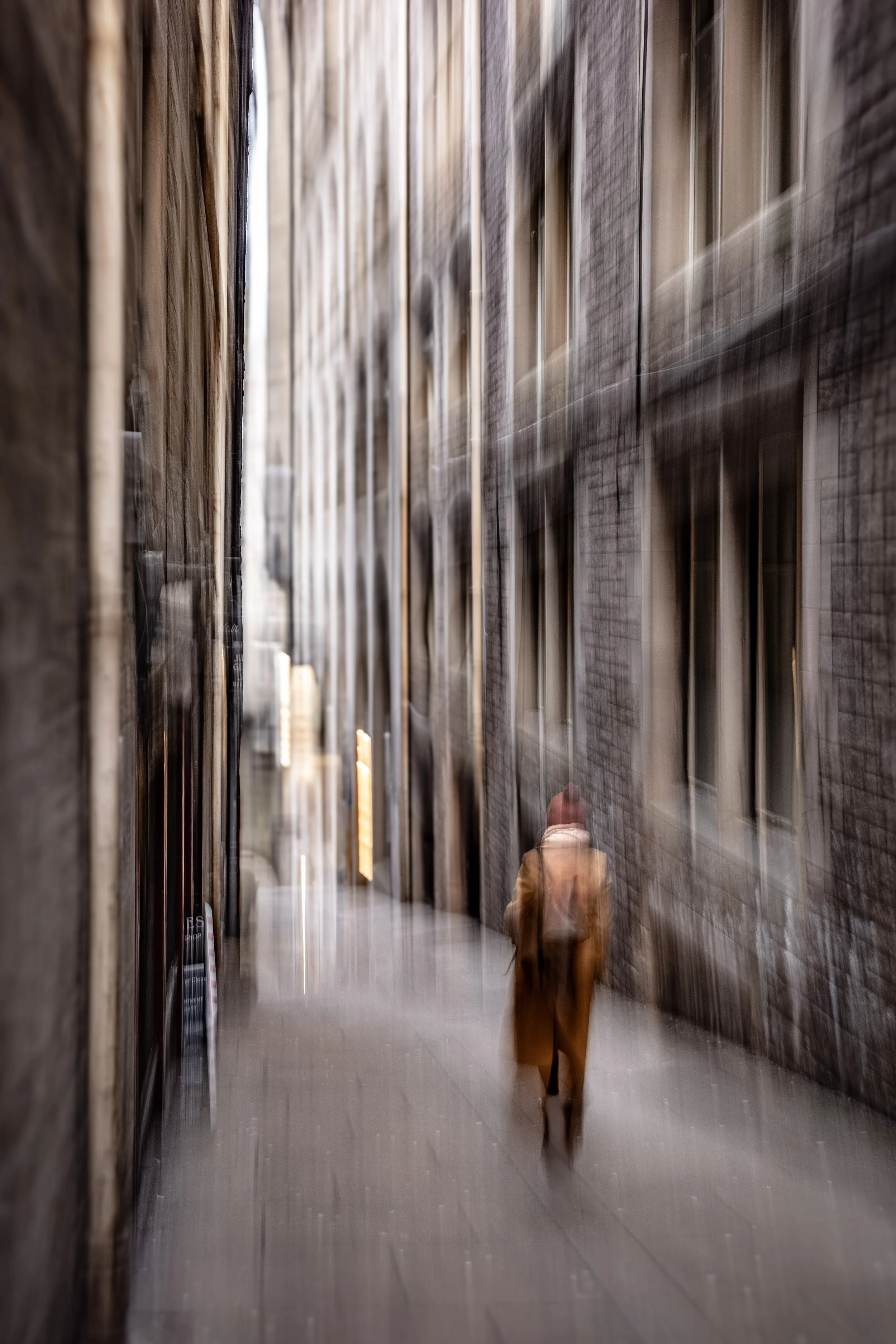
The Art of Intentional Camera Movement (ICM)
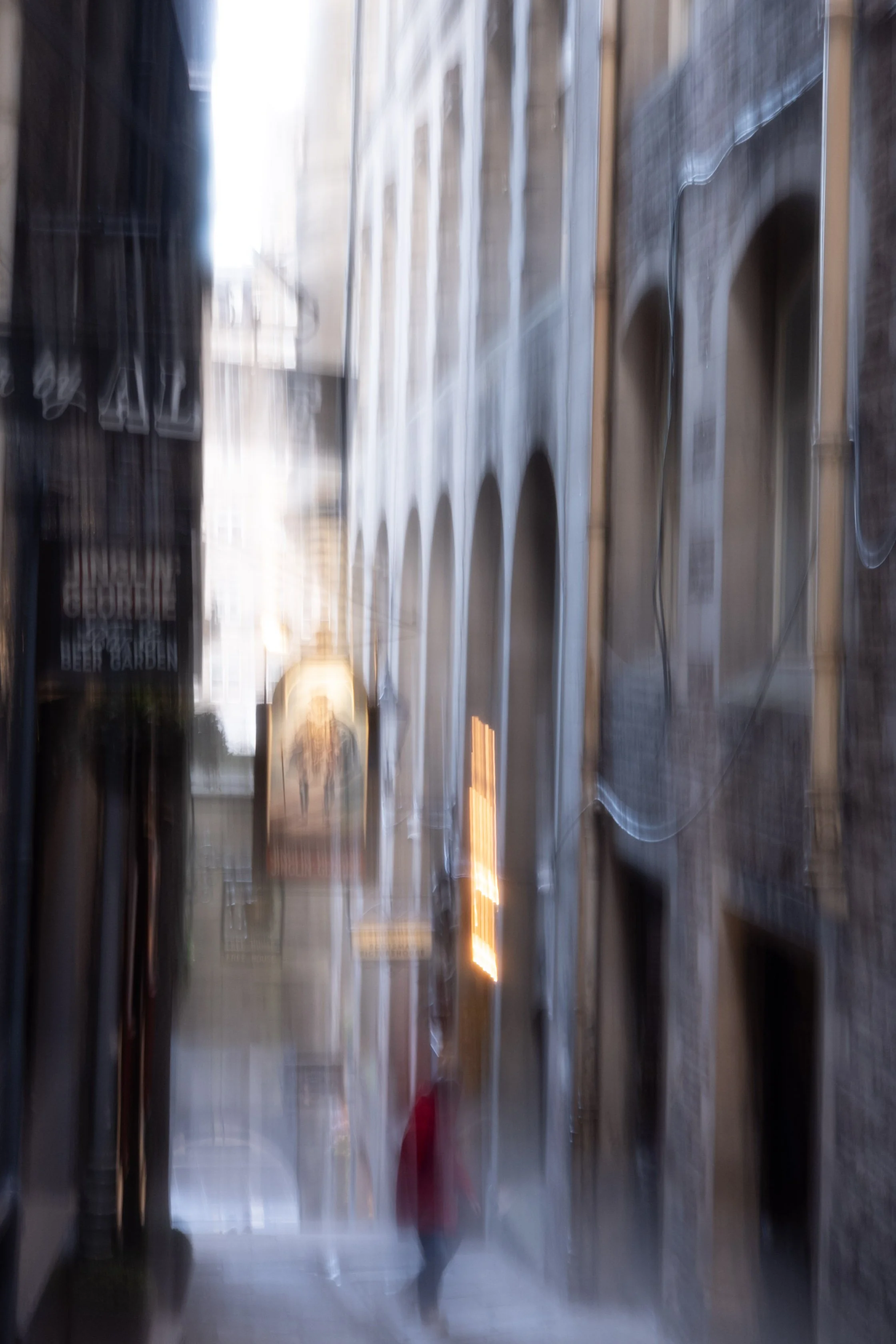
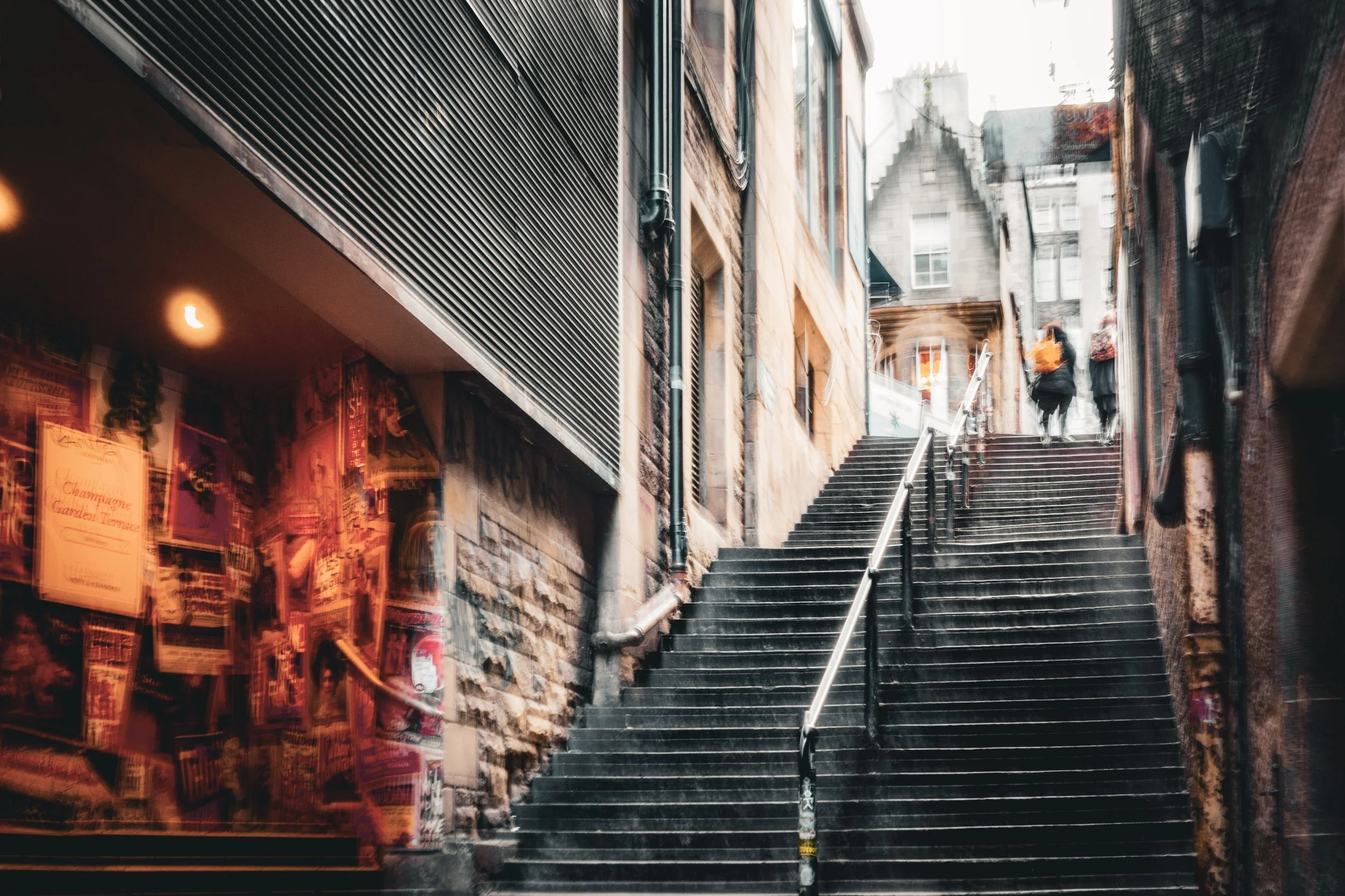
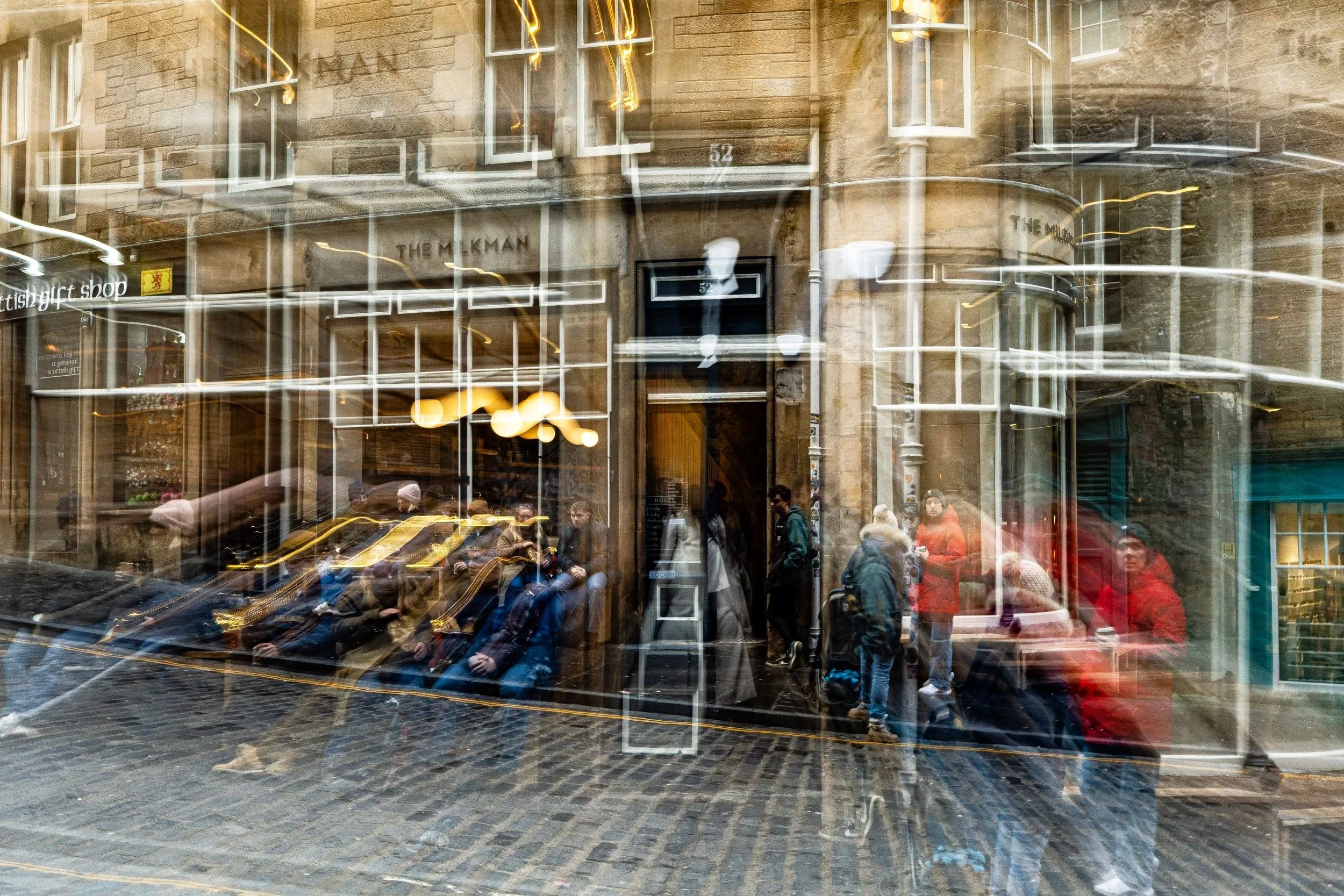
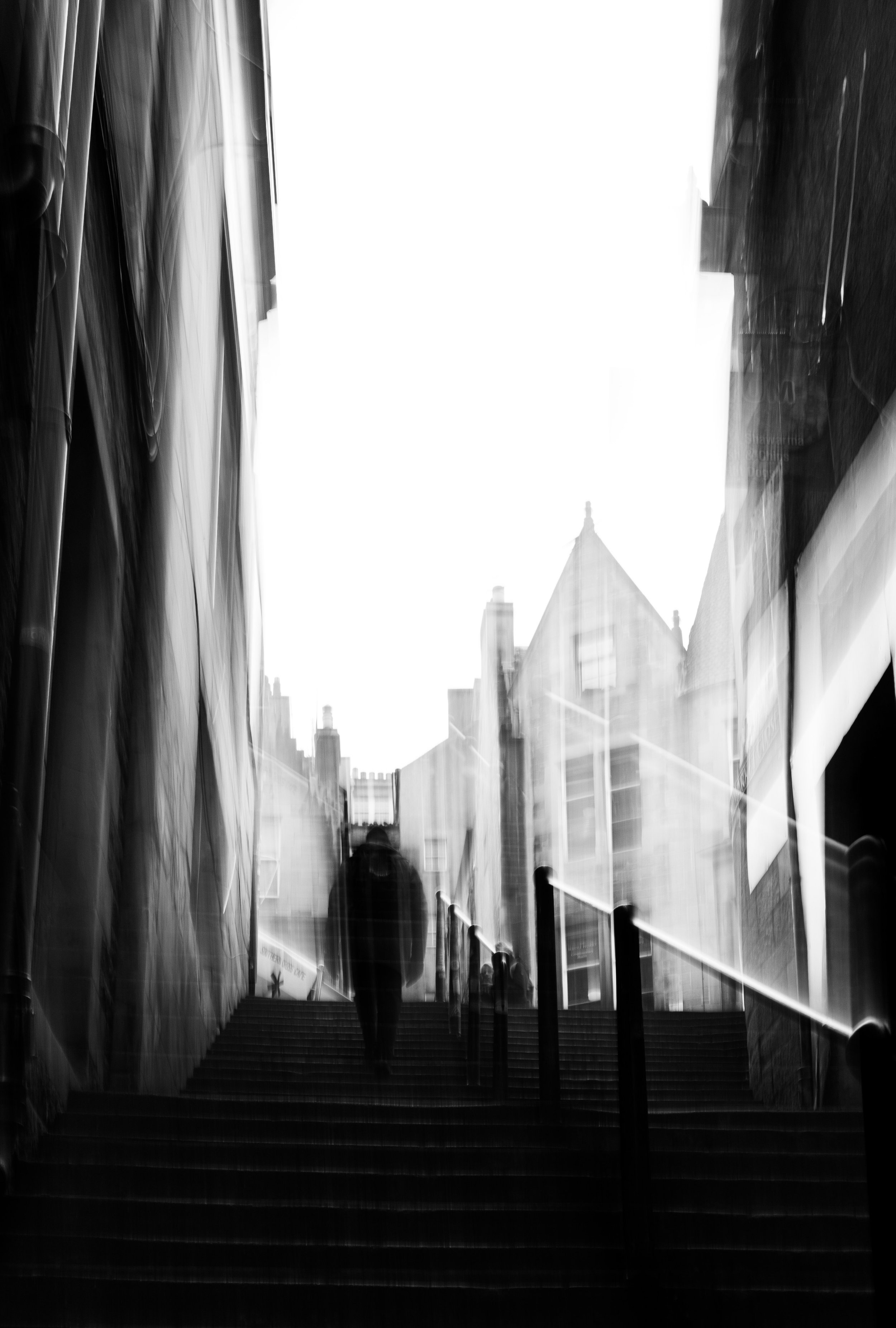
In a world that often demands pin-sharp accuracy, Intentional Camera Movement (ICM) invites us to break the rules. This isn't about accidental blur; it’s a deliberate, artistic technique where the camera becomes a paintbrush and the world your canvas.
Whether you're a seasoned pro or a curious beginner, here is everything you need to know to start "painting" with your camera.
What is ICM?
ICM is a photographic technique where you deliberately move the camera while the shutter is open during a long exposure. Instead of freezing a single moment, you stretch it, allowing motion and energy to shape the final image.
Historically, this style is rooted in the Impressionist movement of the late 19th century. Just as painters like Claude Monet focused on the impression of a moment—light shimmering on water or changing colors—ICM photographers use shutters and sensors to capture feeling over detail.
Gear: What Do You Need?
One of the best things about ICM is its simplicity. You don't need a high-tech kit to get started.
Camera: Any camera (even a smartphone) that allows you to manually control shutter speed will work.
Lenses: While you can use any focal length, many pros prefer a "tighter" range between 40mm and 85mm to reduce background distractions and focus on the subject.
Filters: In bright daylight, a Neutral Density (ND) filter is essential. It blocks excess light, allowing you to use the slow shutter speeds required for blur without overexposing the shot.
Essential Camera Settings
The "sweet spot" for ICM often comes down to experimentation, but here is a reliable starting point:
SettingRecommended Starting PointModeShutter Priority $(Tv/S)$ or ManualShutter Speed$1/6$ of a second (standard) to 2 seconds (for more abstraction)ISO100 (or your camera's lowest base ISO)FocusManual Focus (to prevent the camera from hunting for focus during movement)
Mastering the Movement
The way you move defines the mood. Think of every gesture as a stroke on your canvas:
Vertical Sweeps: Move the camera up or down smoothly. This is perfect for trees, turning trunks into elongated brushstrokes.
Horizontal Sweeps: Pan side-to-side along the horizon. This works beautifully for seascapes, stretching colors into calm, meditative layers.
Diagonal Moves: Move at an angle to add energy and tension, ideal for creating dynamic, chaotic city scenes.
Circular & Zoom: Rotate the camera or twist the zoom ring during exposure to create swirls, spirals, or "explosive" radiant patterns.
Why Practice ICM?
Beyond the unique, one-of-a-kind images it produces, ICM offers several profound benefits:
Creative Freedom: It frees you from the pursuit of "perfection" and technical rigidity.
Emotional Expression: It allows you to capture how a place feels rather than just how it looks.
Mindfulness: ICM is a deeply meditative practice. It requires you to slow down, connect with your surroundings, and see the beauty in everyday objects—like flowers in a vase—in a completely new way.
Pro Tip: Don't fear "failed" shots. In ICM, mistakes are often where discovery happens. A small shake or a trip over a step might just create your most character-filled image yet.